



Looking Ahead Pays Off: Renovating Before the System Change
What the end of the imputed rental value from 2028 means for homeowners, and why now is the right time for investments

Tax frameworks rarely change—and when they do, they usually open up concrete opportunities for action only for a limited time. The planned abolition of the imputed rental value marks such a turning point. For homeowners, this is not merely a political or tax-related issue, but a strategic one: which decisions can be made today to benefit in the long term?
Especially when it comes to renovations and refurbishments, it is worth taking a closer look at the time horizon up to 2028. What can still be taken into account for tax purposes today will no longer apply once the system changes. Forward-looking planning therefore becomes a decisive factor.
Abolition of the Imputed Rental Value: Background
With the referendum of 28 September 2025, Swiss voters approved the abolition of the imputed rental value. This brings an end to a decades-long controversial tax system under which homeowners were required to pay tax on a fictitious income derived from owner-occupied property.
For many homeowners, this decision represents a financial relief. Taxation of a theoretical return has long been perceived as difficult to justify and as an intrusion into private assets. At the same time, the system change introduces not only advantages, but also new conditions.
When Will the New Tax System Come into Force?
According to current plans, the Federal Council intends to introduce the new tax system from the 2028 tax year. Earlier implementation is considered unlikely, as the legal adjustments are complex and require extensive implementation efforts.
However, delays cannot be ruled out. In cantons with a strong tourism sector, there are initiatives to retain the imputed rental value for second homes for as long as possible. For property owners, this means that while the exact timing remains subject to some uncertainty, the system change itself is considered decided.
What Will Change for Homeowners?
One key aspect of the abolition of the imputed rental value is often underestimated: with its removal, the tax deduction for property maintenance and value-preserving investments will also be eliminated.
Until now, value-preserving expenses—such as:
- Sanitary installations
- Painting and plastering work
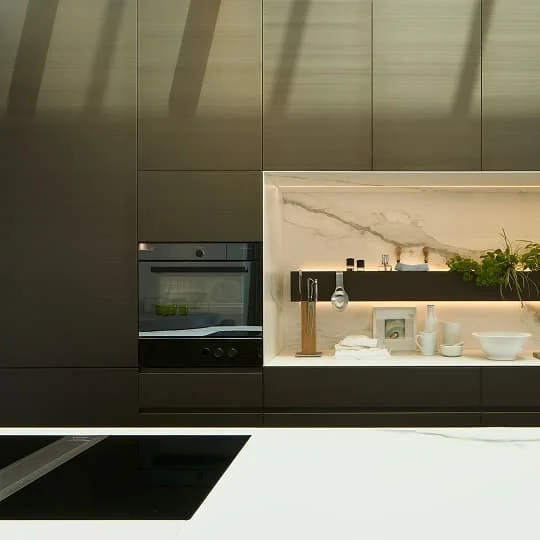
- Carpentry and kitchen renovations
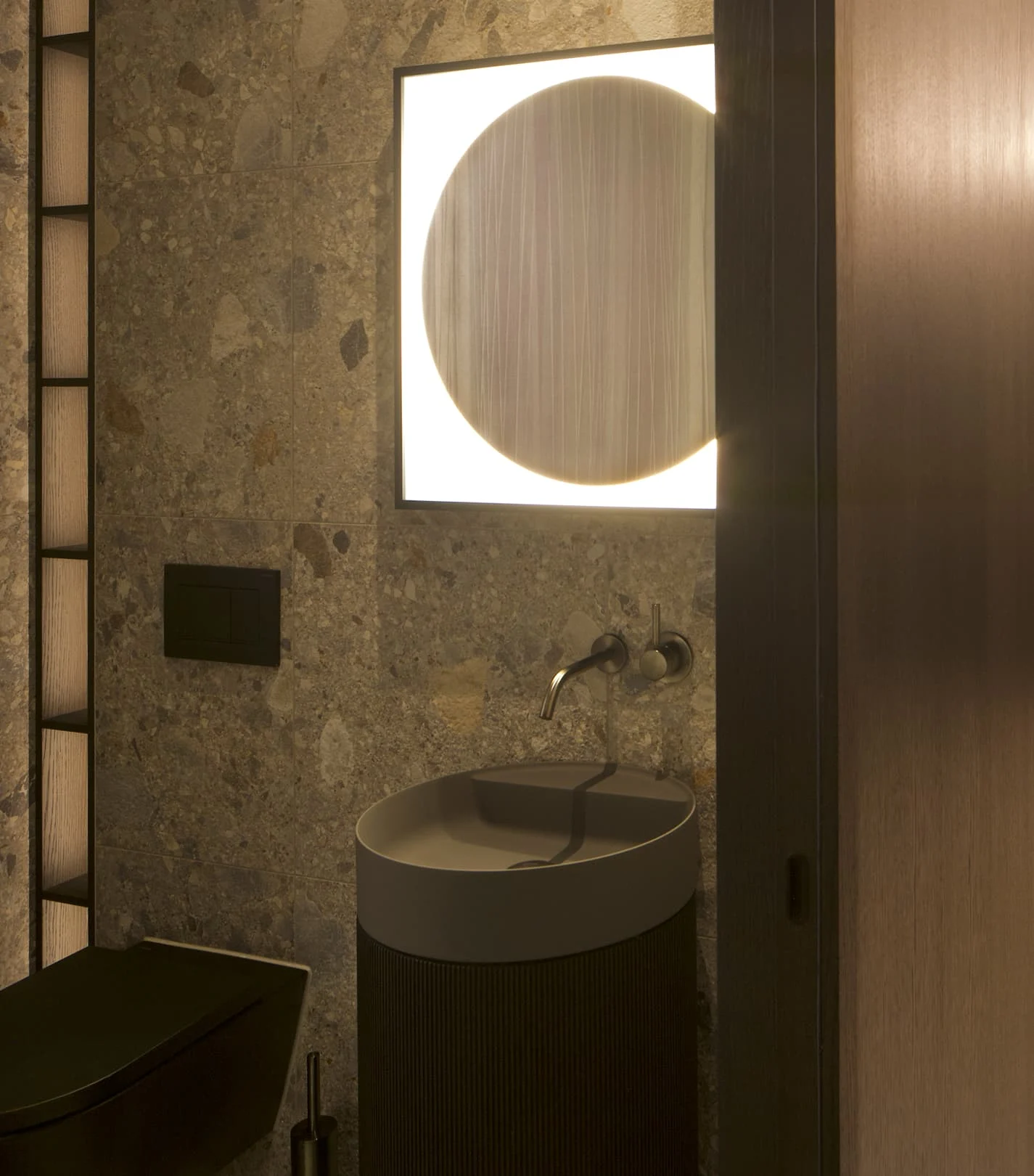
- Bathroom refurbishments
could be deducted from taxable income. This option exists only as long as the imputed rental value remains part of the tax system. Once the new legislation comes into force, deductions for maintenance costs and value-preserving investments will no longer be permitted.
Renovations Before 2028: A Matter of Strategic Planning
Against this backdrop, the period up to the end of 2027 becomes particularly relevant. For homeowners planning renovations or refurbishments, it may be advisable to bring these investments forward and complete them under the current tax system.
This is not about short-term actionism, but about structured planning. Those who make decisions early and prepare projects carefully can still benefit from tax advantages that will no longer be available in the future.
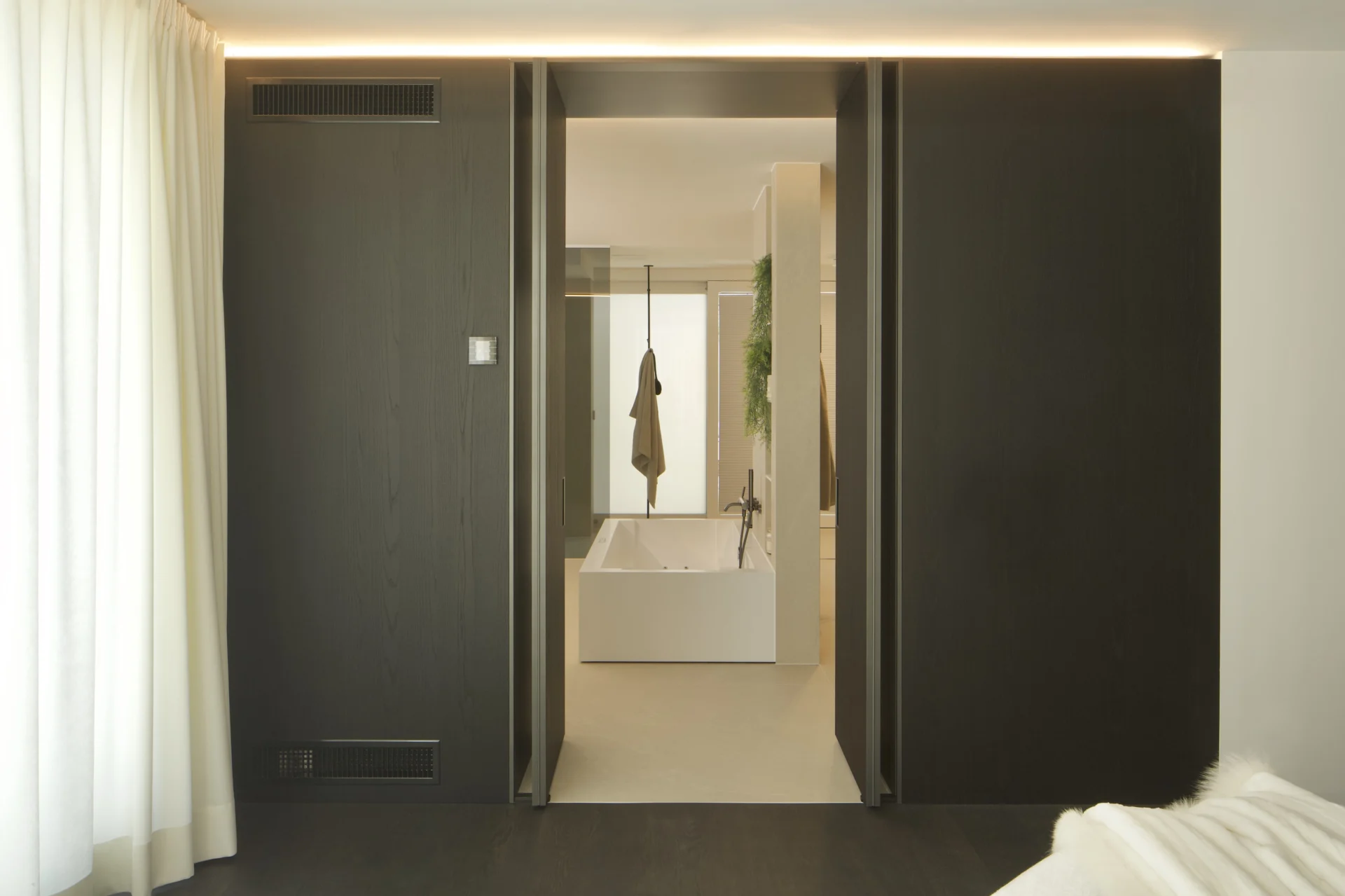
Renovation. 1
New spatial planning after the renovation, Customer project 2025.
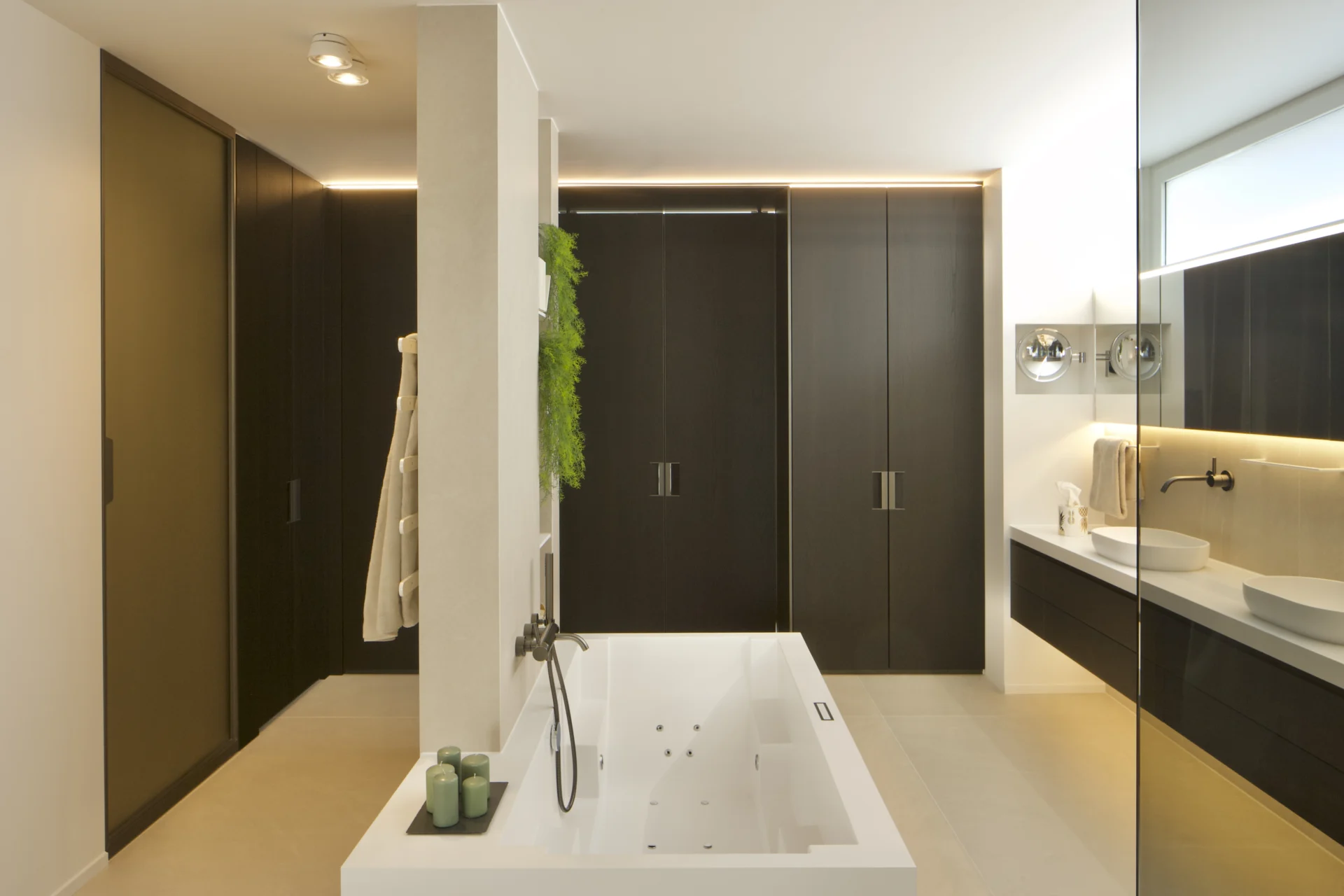
Renovation. 2
New spatial planning after the renovation, Customer project 2025.
Renovation. 3
New spatial planning after the renovation, Customer project 2025.

Value-Preserving Measures vs. Value-Adding Investments
What about larger conversions, such as a new conservatory or the conversion of an attic? The new regulation applies exclusively to value-preserving measures—renovations that maintain or modernize the existing condition of a property. This includes, for example, replacing a 20-year-old bathroom or kitchen
Value-adding investments that increase the property’s value beyond its original standard—such as adding a conservatory or creating additional living space—have never been deductible from annual taxes. However, unlike value-preserving renovations, these costs can be taken into account later, for example when the property is sold, through capital gains tax.
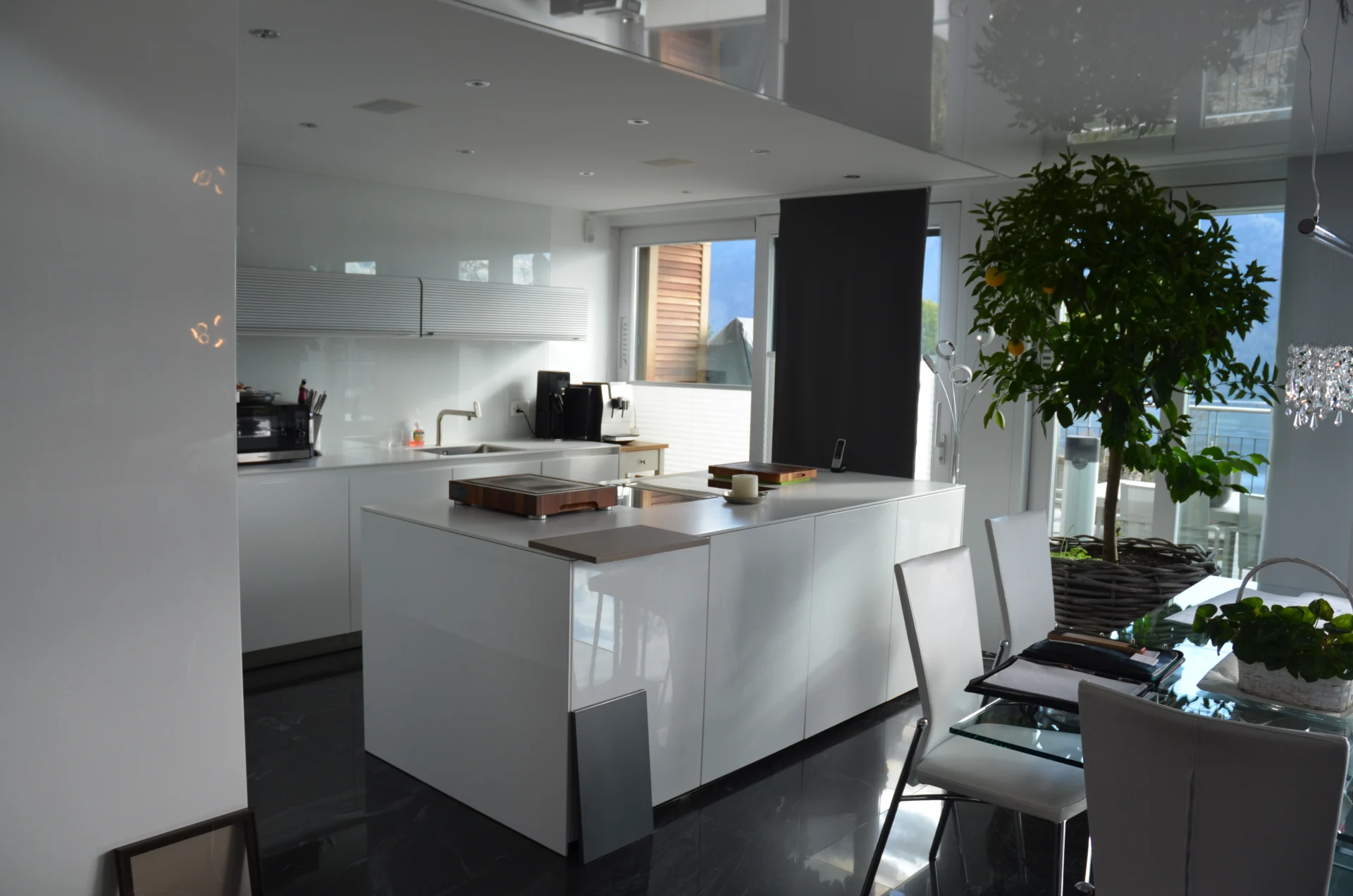
Before
Customer project 2023
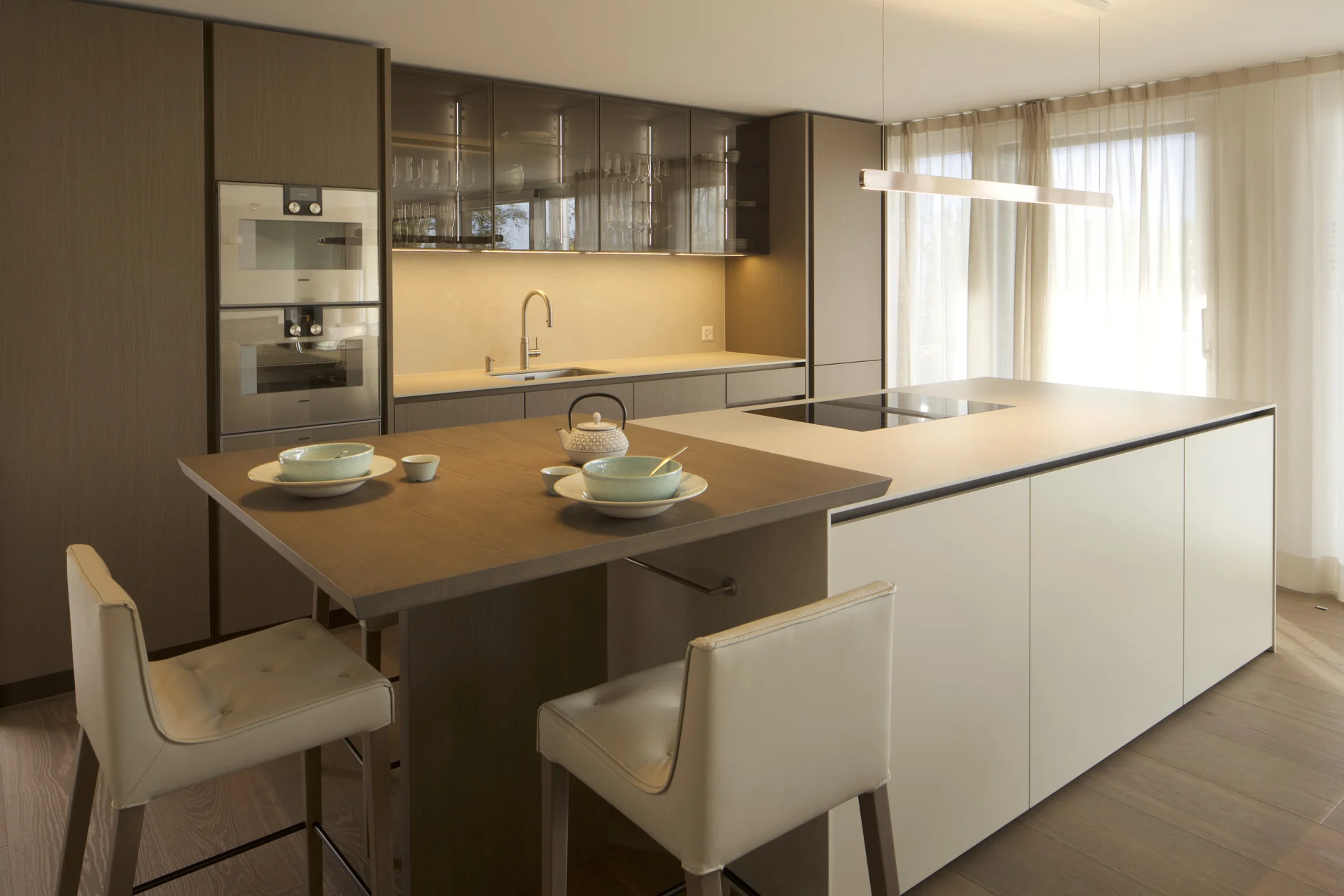
After
Customer project 2023
How a Renovation or Refurbishment with trendline interior design concepts Works
Defining Objectives and Needs Analysis
We begin with a personal consultation to clarify your wishes, expectations, and individual requirements. We assess whether we can deliver the optimal solution for your project together. This is followed by a detailed needs analysis, forming a solid basis for decision-making.
Site Survey
During an on-site visit, we gain a comprehensive understanding of your property. Relevant measurements are taken and the existing situation is documented photographically—an essential foundation for planning.
Feasibility Study and Decision Basis
We develop a project study with several design options and assess technical feasibility. The study includes:
- Floor plan layouts
- Preliminary cost estimates
- Initial concepts for colors and materials
- Construction planning including timelines
This provides you with all the information needed to make an informed decision.
Design Phase and Detailed Planning
Based on your feedback, we develop the project through to final detailed planning. You will receive:
- 3D visualizations
- A complete color and material concept
- Lighting design
- Execution plans for all trades (sanitary, electrical, ventilation, etc.)
Depending on the scope of the project, interim presentations and consultations may take place to ensure full transparency and alignment with your vision.
Cost Consolidation, Contracting, and Approvals
Our in-house project management prepares the complete scope of work and cost overview, reviews quotations, and coordinates the awarding of contracts. In parallel, we handle all necessary approvals and formalities.
Construction Phase
Once coordinated with you—and, if necessary, with neighbors—the construction phase begins. We continuously supervise the work, coordinate all trades, and keep you regularly informed of progress. Quality and precision on site are our top priorities.
Handover and Completion
During final acceptance, any adjustments or defects are documented and promptly resolved. Depending on the size of the project, we also conduct the standard two-year warranty inspection.
Our Ambition
Our experienced and motivated team has a clear goal: to deliver your project beyond expectations. Every successful project not only drives us forward, but also forms the foundation for future exclusive endeavors—perhaps your next project is already waiting.
Ready for the Next Step?
Let us analyze your renovation plans together and develop the optimal strategy for your property. Schedule a non-binding consultation with our experts and discover how you can still benefit from tax advantages before 2028.
Kontaktformular
Verwandte Beiträge
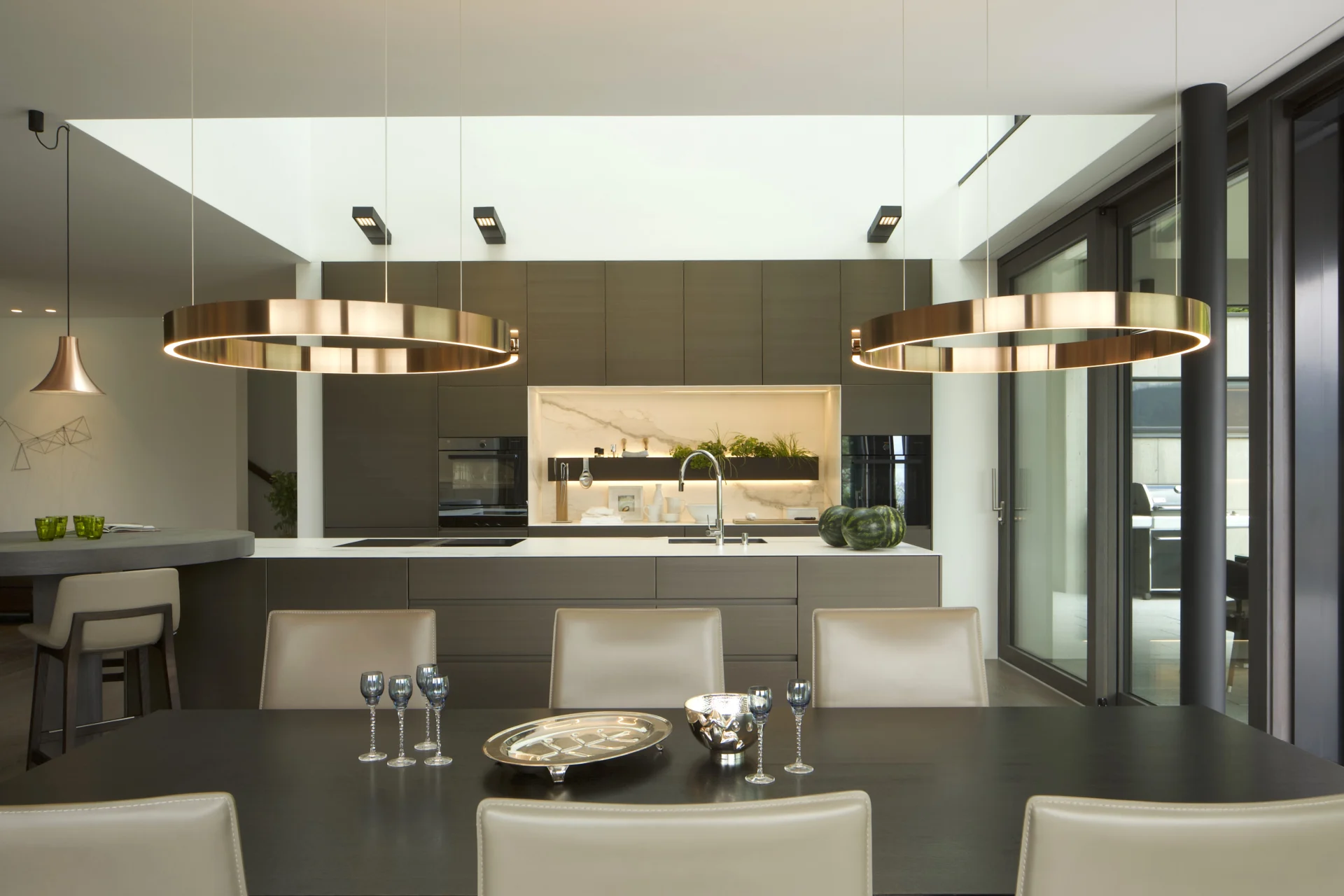
Kitchen Renovation: Step by Step to Your Exclusive Designer Kitchen
The kitchen today is far more than just a functional workspace. It is a meeting point, a hosting area, a living space, and a key quality feature of any high-end property. Accordingly, the demands on design, functionality, technology, and planning are exceptionally high.
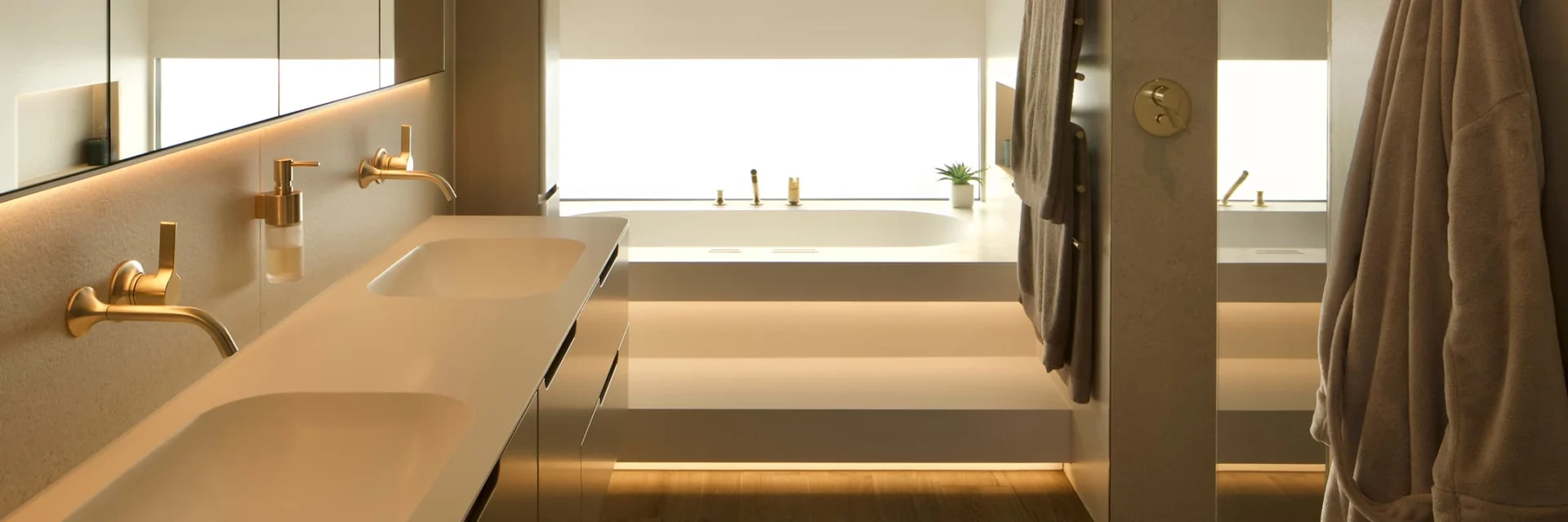
Bathroom Renovation: Step by Step to Your Personal Wellness Retreat
The bathroom is far more than just a functional space. It is a retreat, a place for regeneration, and a crucial factor for living quality and property value. Especially in the premium segment, the demands for design, comfort, technology, and planning are correspondingly high.
Newsletter abonnieren
Wir freuen uns auf Ihre Nachricht. Teilen Sie uns gerne mit, worum es geht – sei es ein Neubau, Umbau, die Planung Ihrer Küche oder Ihres Badezimmers, Möblierungsideen oder andere Interior-Projekte.